
The onsite training on Stakeholder Engagement in Socioecological Risk Analysis took place at BOKU University in Vienna from 24–26 June 2026, with participation from nine experts from a variety of fields.
Updated 30/06/2026
Outcomes of IRISCC Onsite Training
Stakeholder Engagement in Socioecological Risk Analysis
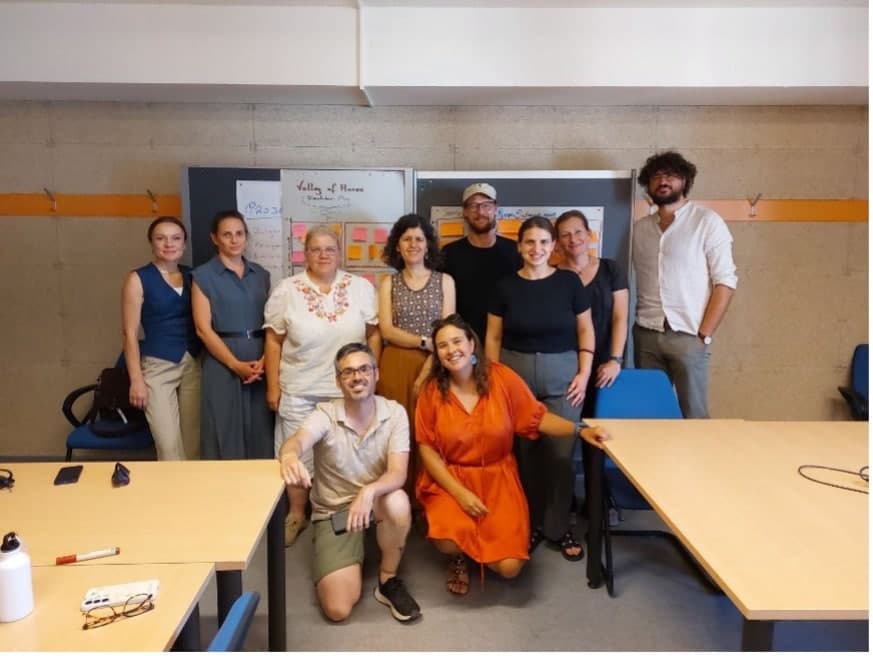
The first day, participants were introduced to the theoretical concepts of socioecology by training organizer Dr. Veronica Gaube (BOKU University) and through group work applied the theories to real life case studies. Two case studies were selected for the duration of the workshop, the Rose Valley case study in Bulgaria and the Seagrass case study in Portugal. The participants created a stakeholder persona map to introduce each other using research topics each participant was involved in currently. Concepts such as inter- and transdisciplinary research were defined in depth. The group work for the first day involved identifying and assessing stakeholders, during which posters were created visualising the baseline narrative of each study and a list of stakeholders.
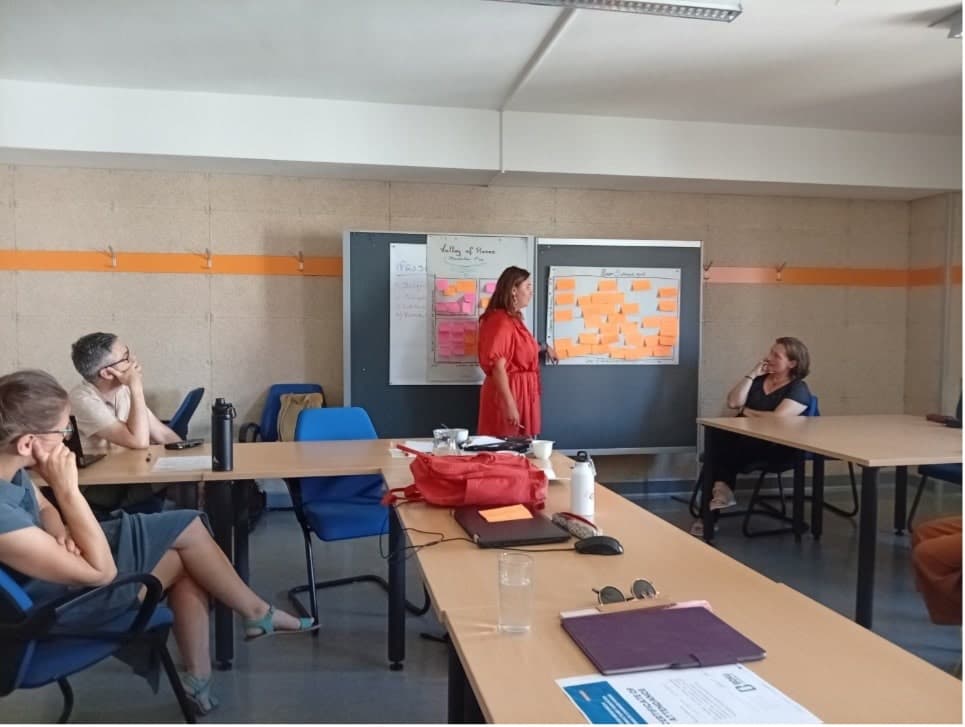
The afternoon of the first day was dedicated to risk analysis presented by Dr. Thomas Thaler (BOKU University.) Participants were given extensive training on human risk analysis and the core concepts of Hazard, Vulnerability, and Exposure with applied examples and in-depth conversation using current challenges and research in the context of heatwaves within Vienna city.
The second day of training began with using stakeholder mapping tools the two groups of participants engaged in co-design of stakeholder power/interest grids and discussion on how to improve stakeholder involvement in the research process. A lengthy discussion took place after the presentations of the Power/Interest grid of each case study, during which meaningful feedback was given and changes were made to the amount of stakeholders involved and the means of approaching each stakeholder.
The afternoon of the second day was dedicated to understanding community capacity assessment using the example of the Jordan Valley. A comprehensive presentation of the challenges and solutions found in the case of the EcoFuture project in the Jordan Valley was presented by Dr. Nikolaos Nikolaidis (TUC and EI) followed by a discussion of implementation and application in other case studies and research, primarily focusing on the ongoing pilot study in Asterousia region in Crete . An extensive discussion took place concerning the notion of Cognitive Dissonance in stakeholder engagement and if it can become a reliable guide to approaching stakeholders in conflict.
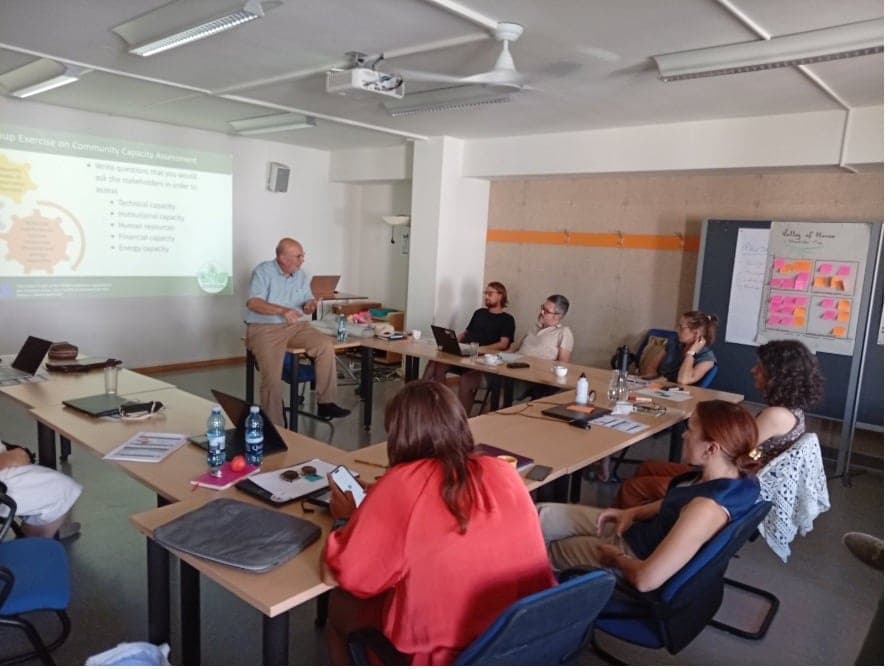
The third day of training explored the power-predictability matrix, a variation of the previously used power/interest grid that help prepare for stakeholders who can potentially pose risks. Participants developed matrixes for their case studies and discussed differences and similarities with the power/interest grids. The last part of the session was used to develop the stakeholder engagement plan of the case studies, by identifying stakeholder-specific aspects such as areas of interest, project phase involvements, engagement approaches, methods and frequencies.
The training will be followed by a future onsite training on socio-ecological tools for stakeholder engagement.
Read more
Onsite Training: Stakeholder Engagement in Socioecological Risk Analysis
This 2.5-day course offers a comprehensive introduction to the concepts, tools and collaborative practices required
24-26 June 2026
IRISCC Demonstrators Progress Towards Second Service Release
The IRISCC demonstrators are advancing towards the second service release, planned for September 2026. This
June 03, 2026
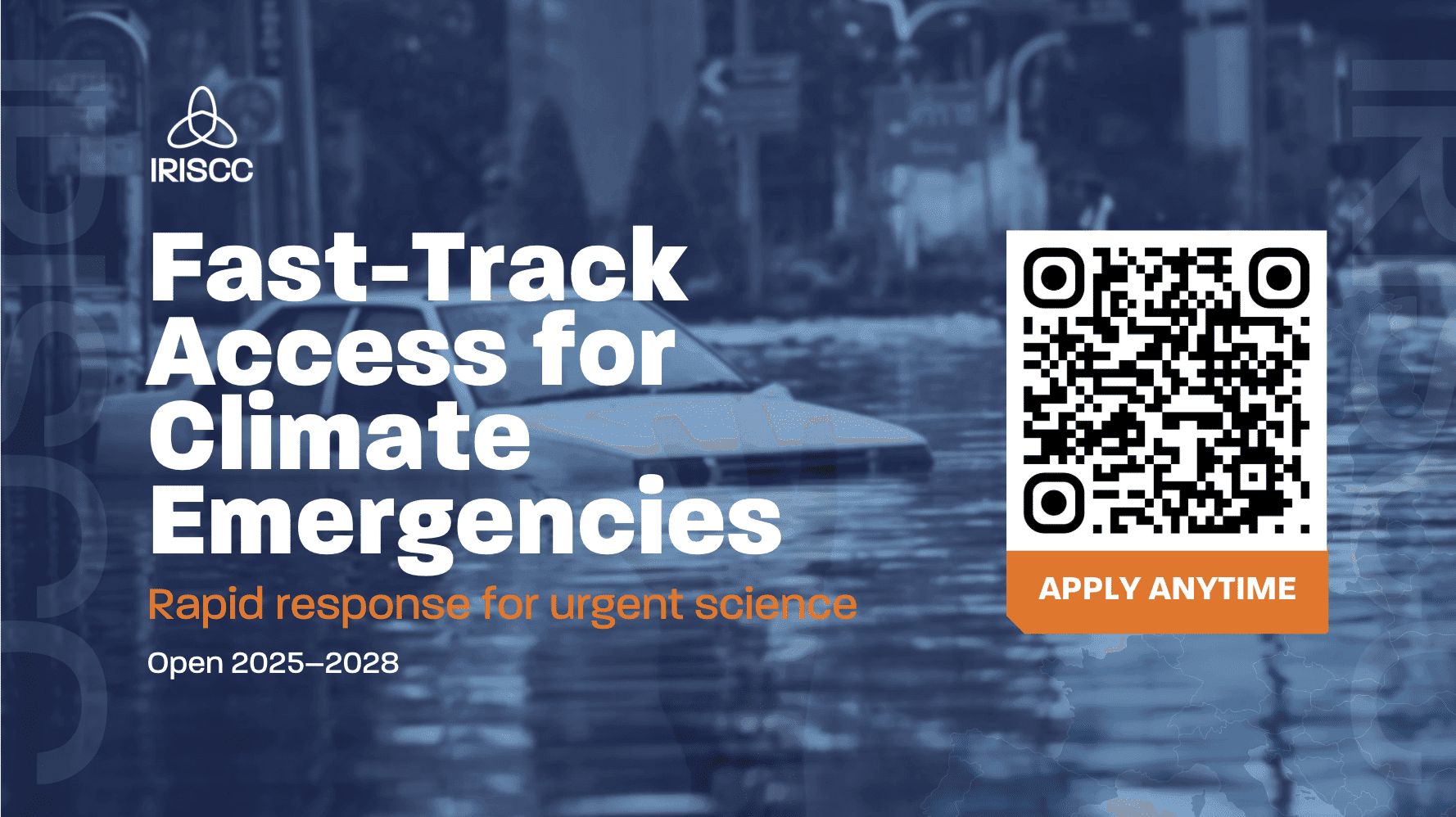
IRISCC Fast-Track Call: Rapid Access to Research Infrastructure for Climate Emergencies and Continuity of Research in Ukraine
The IRISCC Fast-Track Call provides continuous and rapid access to research infrastructure services for urgent
May 29, 2026