The IRISCC demonstrators are advancing towards the second service release, planned for September 2026. This milestone will significantly expand the set of services available through the IRISCC Virtual Access Programme.
Users will be able to access the services directly via the IRISCC service catalogue, without the need for application or additional onboarding. Several other services are already available for virtual access, and this second release will further enrich and consolidate the portfolio into a more complete and interoperable offering.
From prototypes to an integrated service portfolio
The IRISCC demonstrators are evolving from individual research workflows into connected, reusable services that combine data, models, and analytical tools across climate and environmental domains.
Work spans a wide range of applications, including urban climate and health risks, coastal flooding, ecosystem impacts of drought and heat, agricultural multi-hazard forecasting, ocean carbon removal experiments, and wildfire monitoring and analysis.
Highlights from the demonstrators
- Urban Heat & Air Quality: Work is advancing on tools that link environmental exposure data with health-related analysis, enabling scalable studies in urban environments.
- Flooding Risk: Jupyter-based workflows are being developed to assess coastal flood risks under different climate scenarios, integrating ocean and climate data sources.
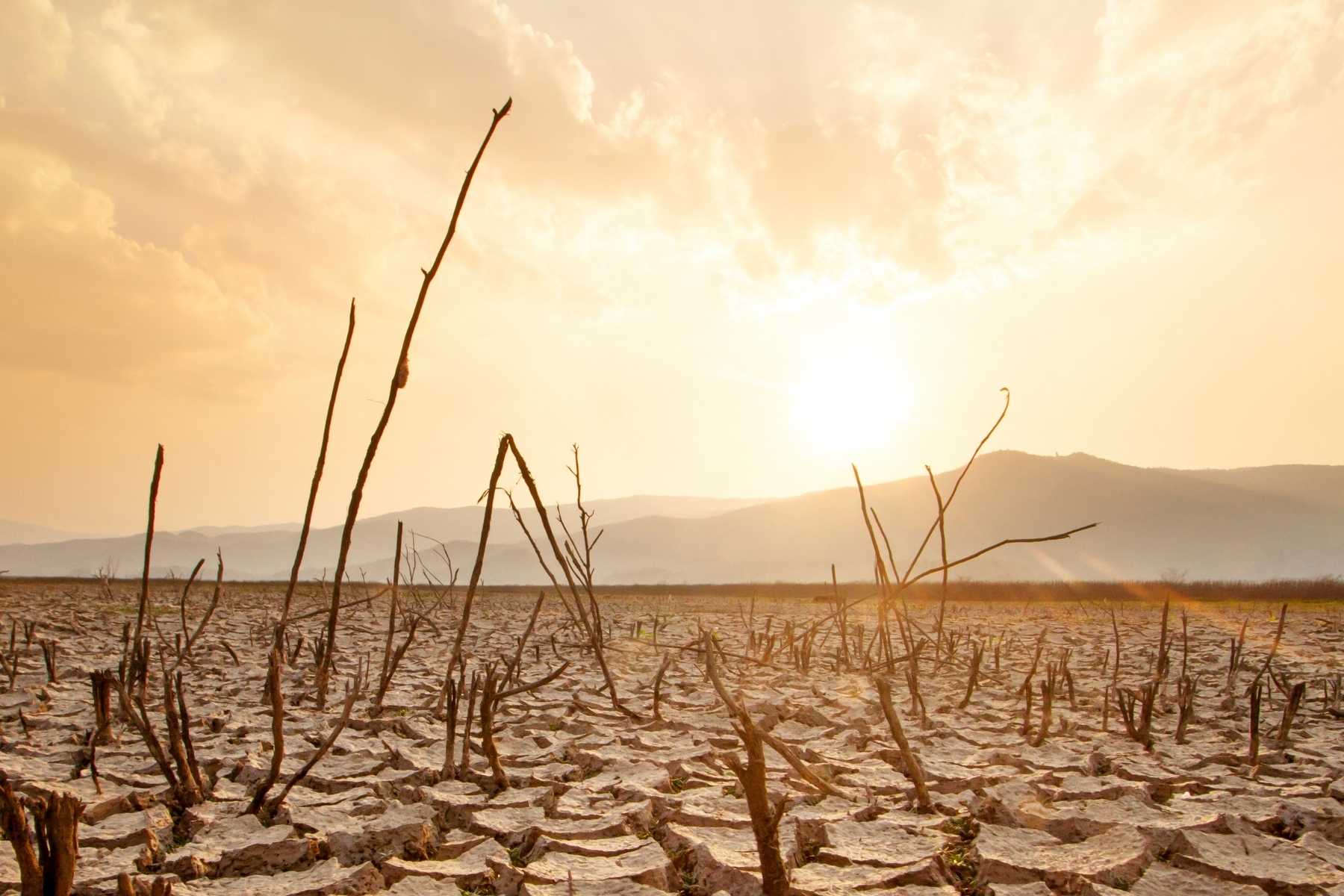
- Ecosystem Drought Resilience: The demonstrator is progressing towards integrated analysis of drought and heatwave impacts on ecosystem functioning using climate model outputs.
- OMarine Biodiversity under Ocean Change: Efforts are focused on structuring experimental data and enabling analysis tools to support cross-site comparison of ocean CO₂ removal methods.
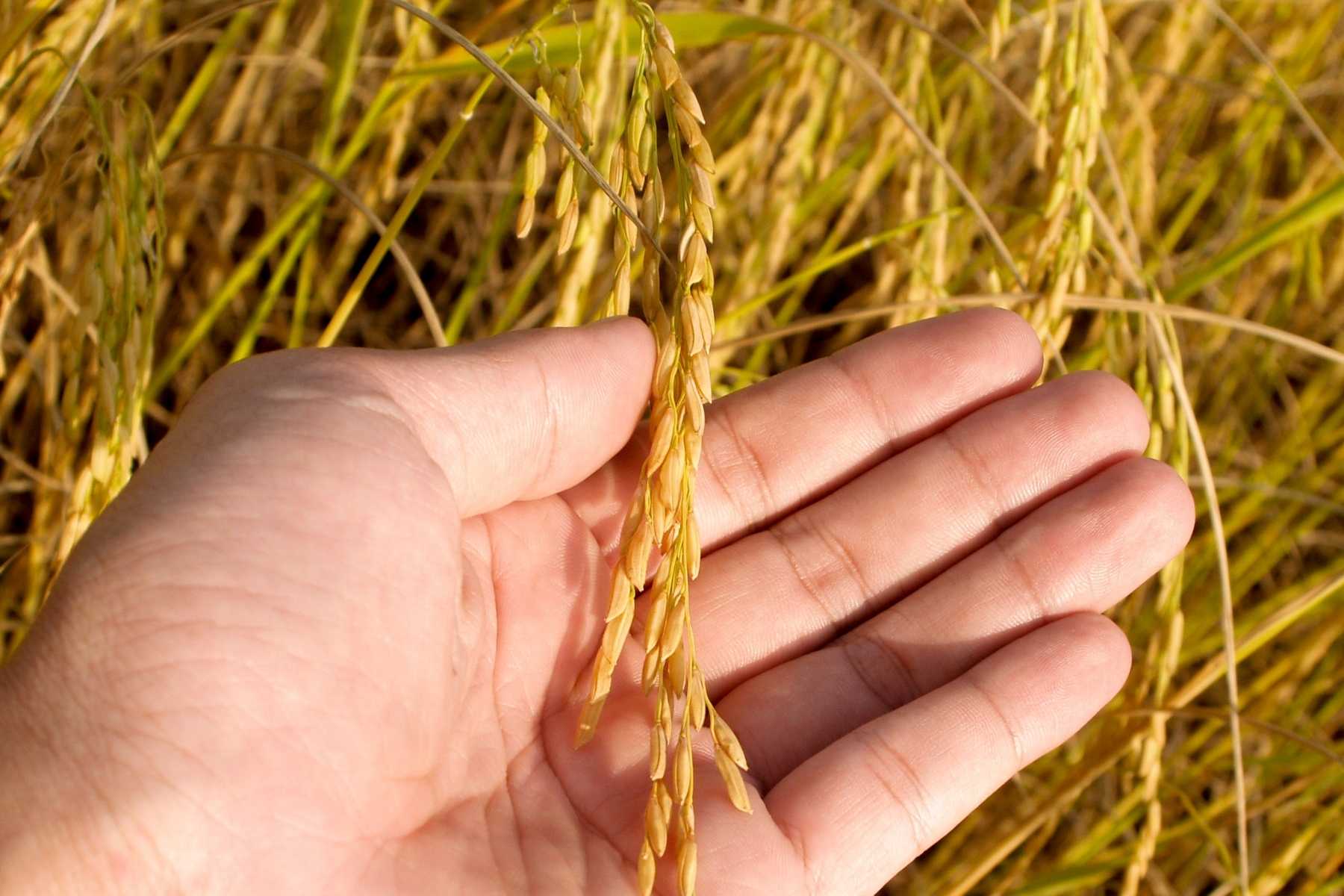
- Multi-hazard Food Security: New predictive models are being developed to assess combined risks from drought, heat, and pests, with attention to future climate conditions and regional transferability.
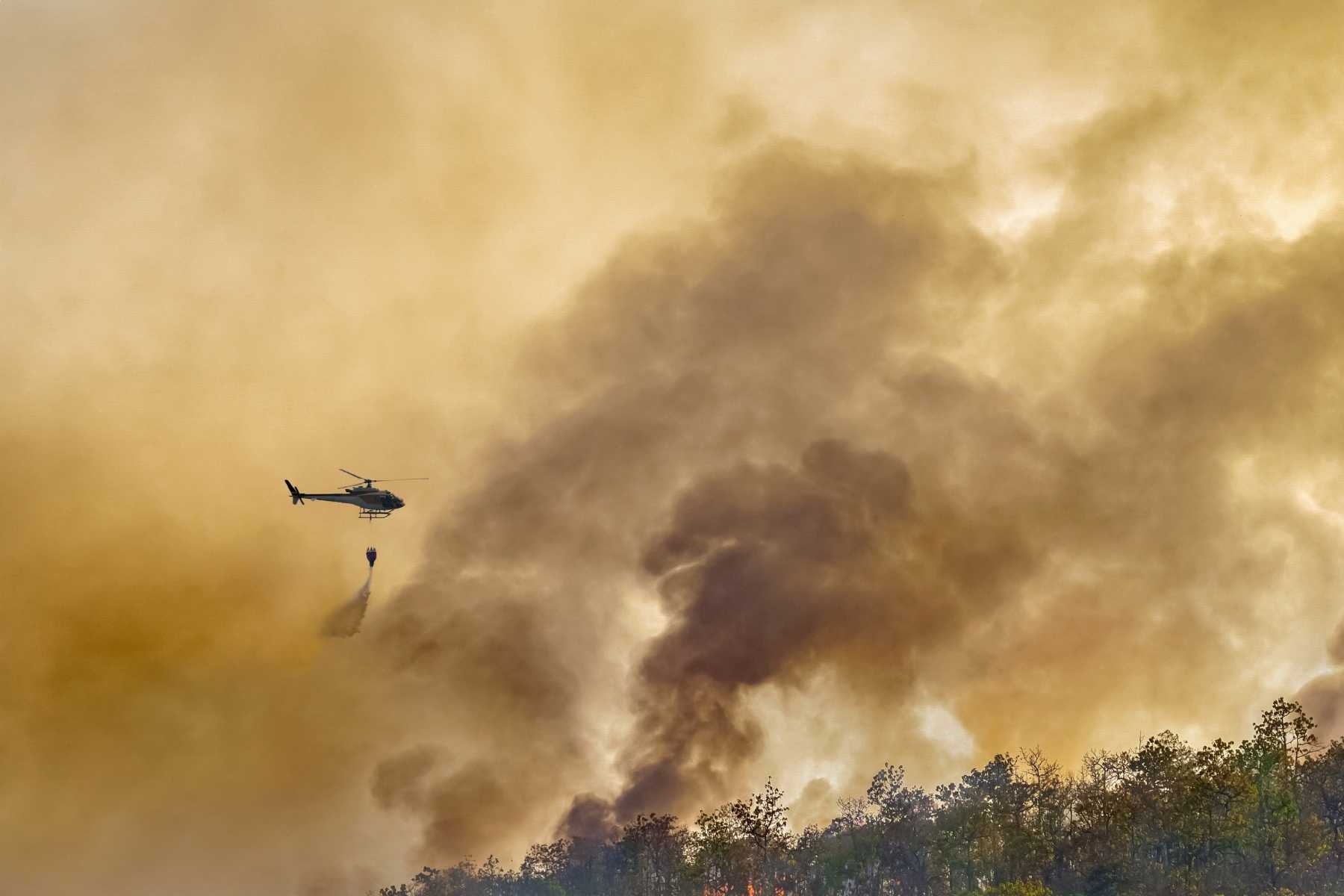
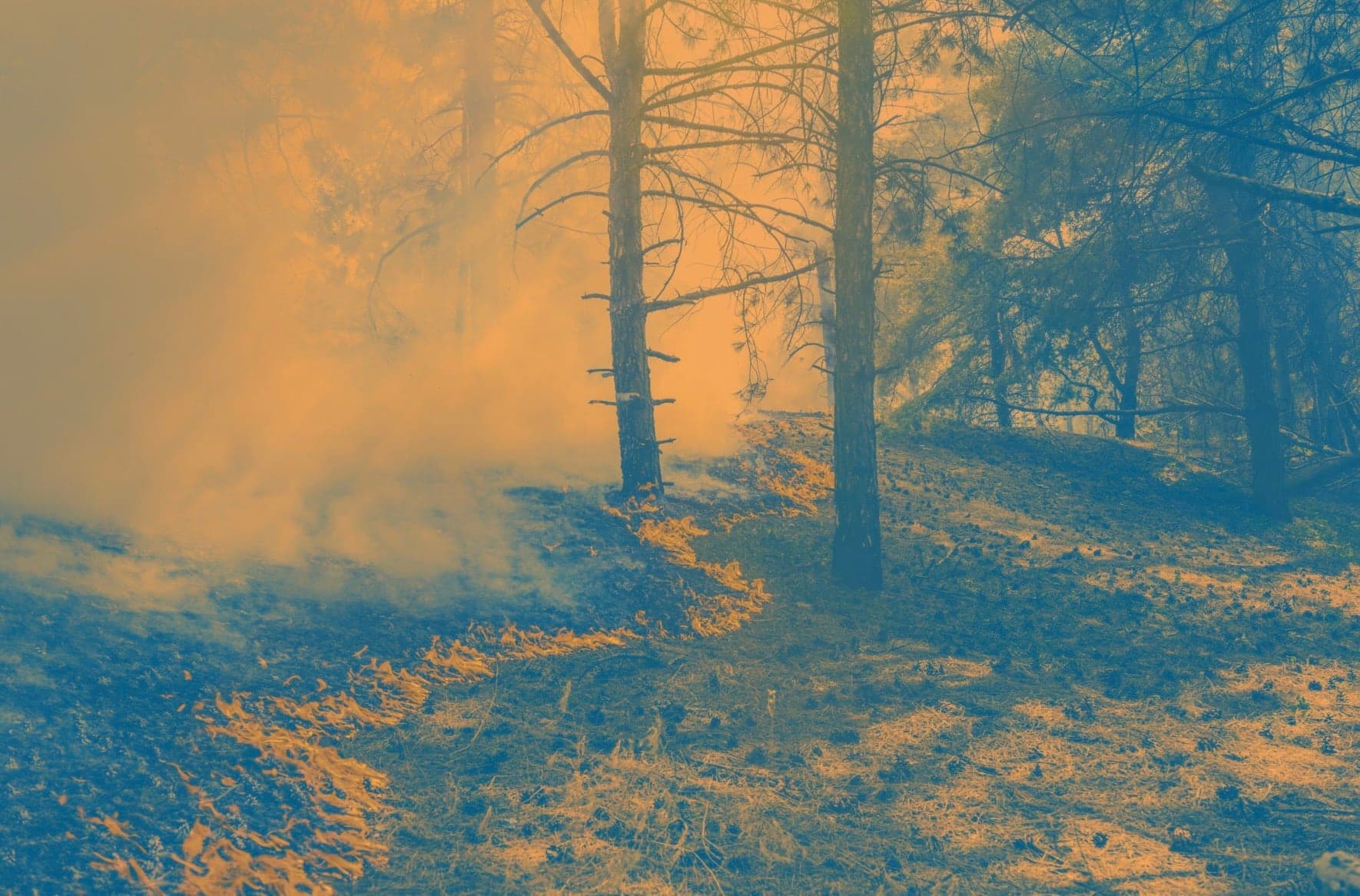
- Wildfires in Europe: A near-real-time wildfire demonstrator is being integrated, combining detection, atmospheric modelling, and multi-source environmental data analysis.
Expanding community engagement
IRISCC is also preparing a hackathon in mid-January 2027, where participants will be able to explore and use the services in a collaborative coding environment over a dedicated weekend.
The hackathon will provide an opportunity to test real workflows, develop new applications, and engage directly with IRISCC services. Feedback from participants will be used to further improve and refine the services.
Looking ahead
The second service release represents an important step towards a fully operational ecosystem of climate and environmental risk services in IRISCC, supporting researchers, infrastructure providers, and decision-makers across Europe.