
As the first in our series exploring IRISCC facilities throughout Europe, this article highlights key research platforms in France equipped to address the escalating impacts of climate change, including severe heatwaves, persistent droughts, and forest fires.
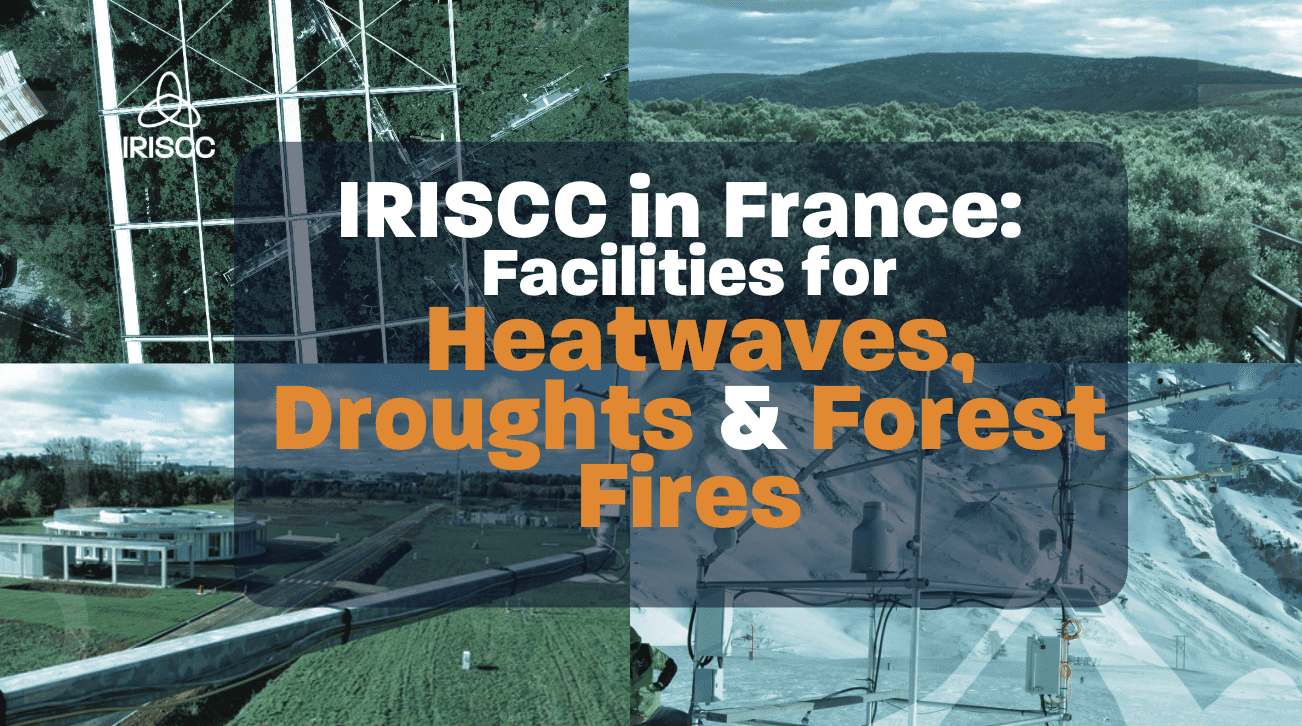
Europe is the world's fastest-warming continent and is currently enduring its hottest summer on record (Copernicus C3S, 2026). France is at the center of this crisis, facing a spiral of severe environmental challenges. Scorching temperatures and persistent droughts have depleted major rivers and recently placed many areas at high risk for forest fires. Following destructive blazes across the Gironde, Var, and Drôme regions, the compounding nature of these climate risks is threatening both local landscapes and regional air quality.
To address these climate risks, researchers need access to robust environmental research infrastructures. IRISCC is building a bridge between these existing facilities and the critical need for actionable solutions in climate change risk research. Our goal is to encourage researchers and decision-makers to explore the facilities that are relevant to these ongoing climate risks and apply for access.
The following research facilities are available in France to support research into these critical environmental threats:
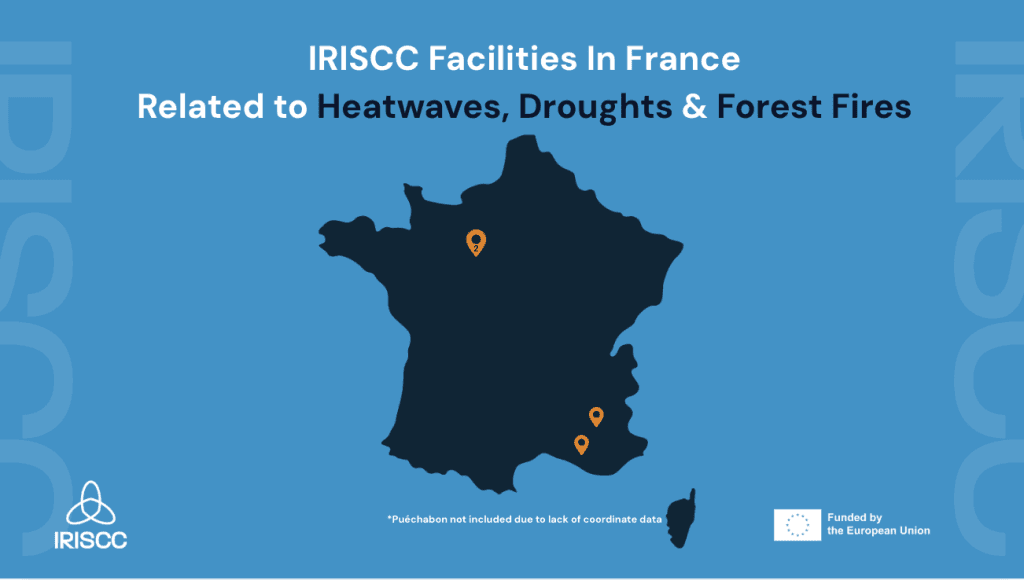
Map of IRISCC facilities in France related to heatwaves, droughts & forest fires
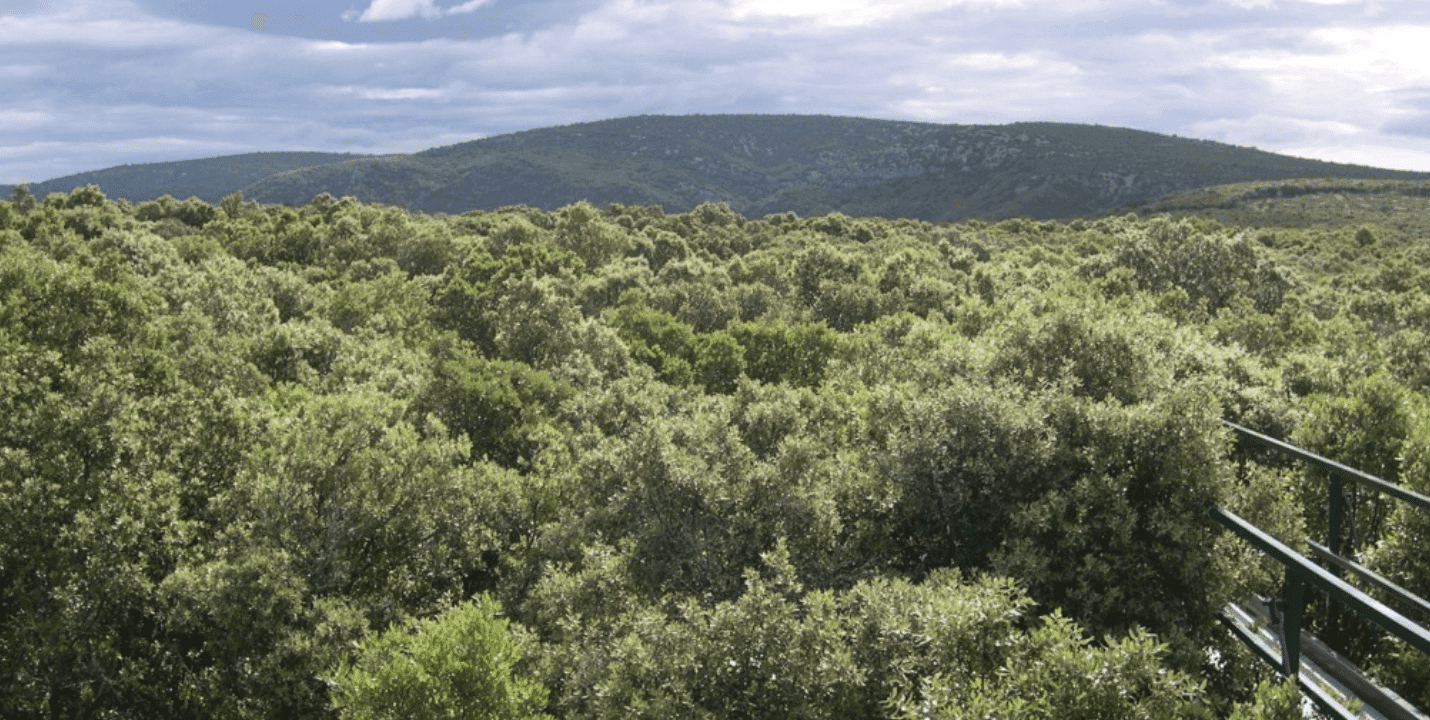
Puéchabon
To combat severe drought, heat stress, and forest vulnerability, Puéchabon conducts long-term rainfall exclusion (-30% precipitation) and soil warming experiments (+2°C). This Mediterranean evergreen forest site monitors carbon and water balances during intense dry spells, providing vital data on how woodland ecosystems survive prolonged heat.
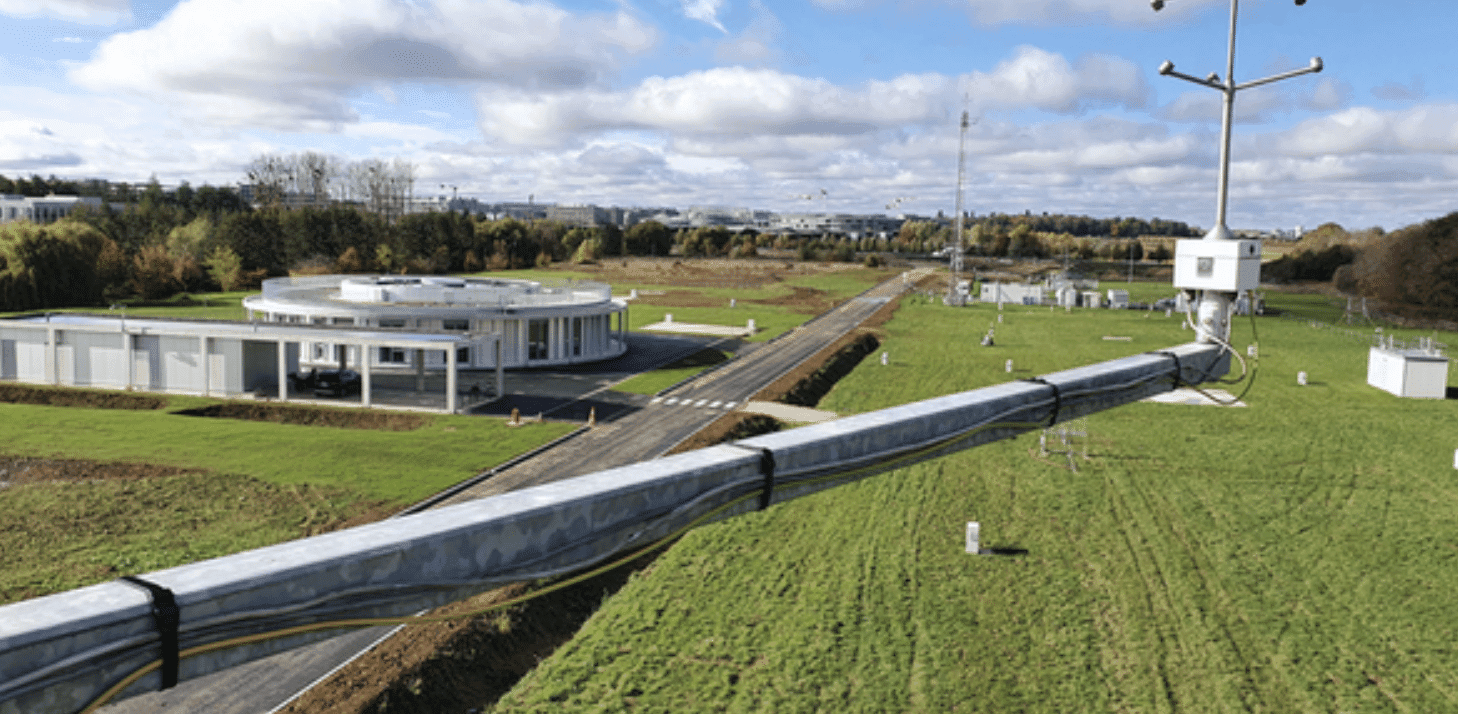
SIRTA
Located in Île-de-France, this Atmospheric Research Observatory studies physico-chemical processes from the surface up to the upper troposphere. It provides vital, multi-decadal observations of reactive gases, greenhouse gases, and aerosols to evaluate atmospheric models and track regional climate variability and radiative exchanges.
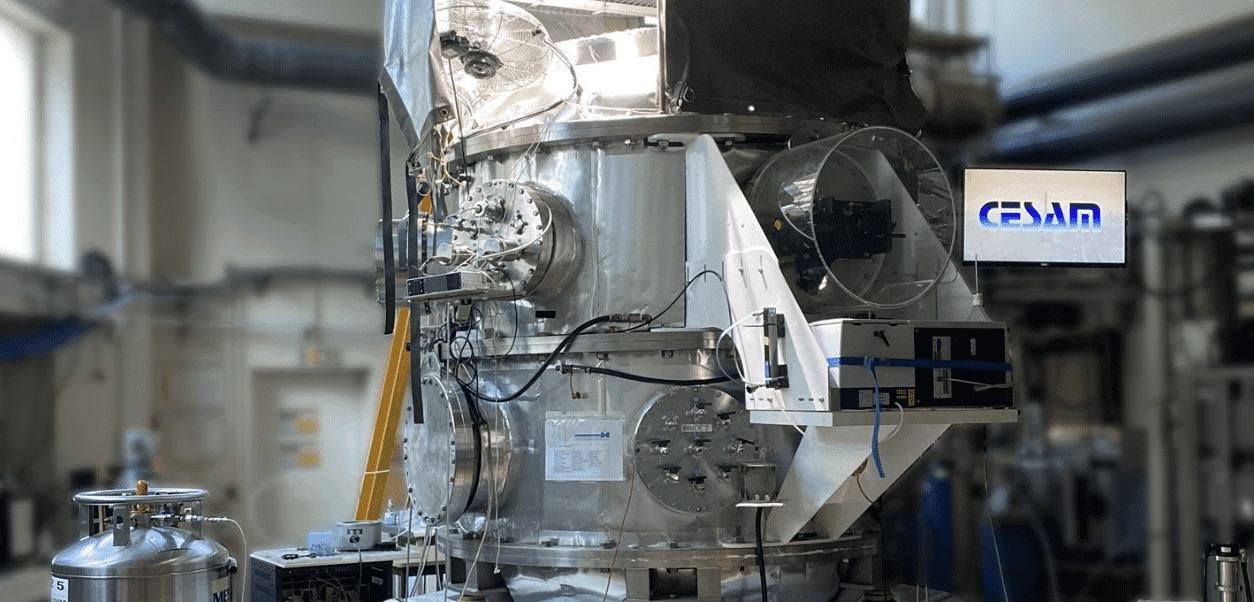
CESAM_CNRS
This platform consists of two atmospheric simulation chambers designed to investigate atmospheric processes under controlled and realistic conditions. The CESAM chamber specifically focuses on multiphase atmospheric processes, such as the formation of secondary aerosols and cloud-phase reactivity, which is vital for understanding the broader atmospheric impact of wildfire smoke and pollutants. This platform is situated in Créteil.
FOREST-O3HP Platform
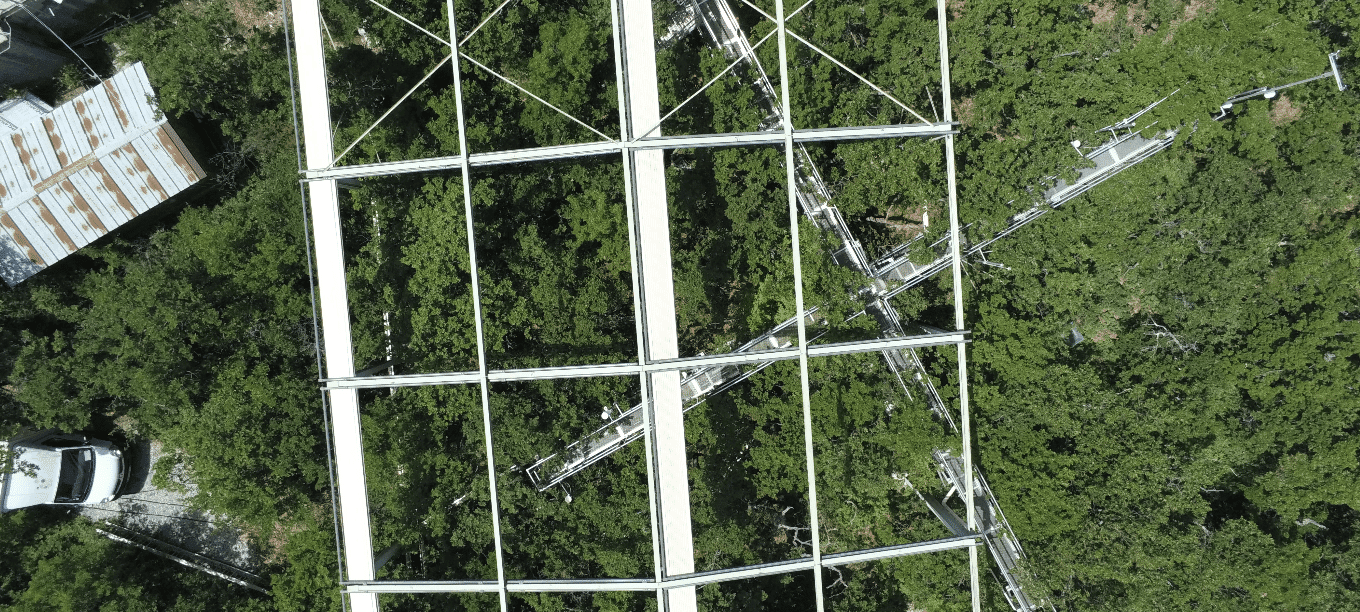
Located at the Observatory of the Upper-Provence, this in natura field site is dedicated to understanding the response of deciduous Mediterranean forest ecosystems to climate change. To aid in drought research, the site is equipped with a precipitation exclusion system that dynamically excludes 30% to 40% of rainfall to simulate the drier climates predicted for the end of the century.
Jardin du Lautaret
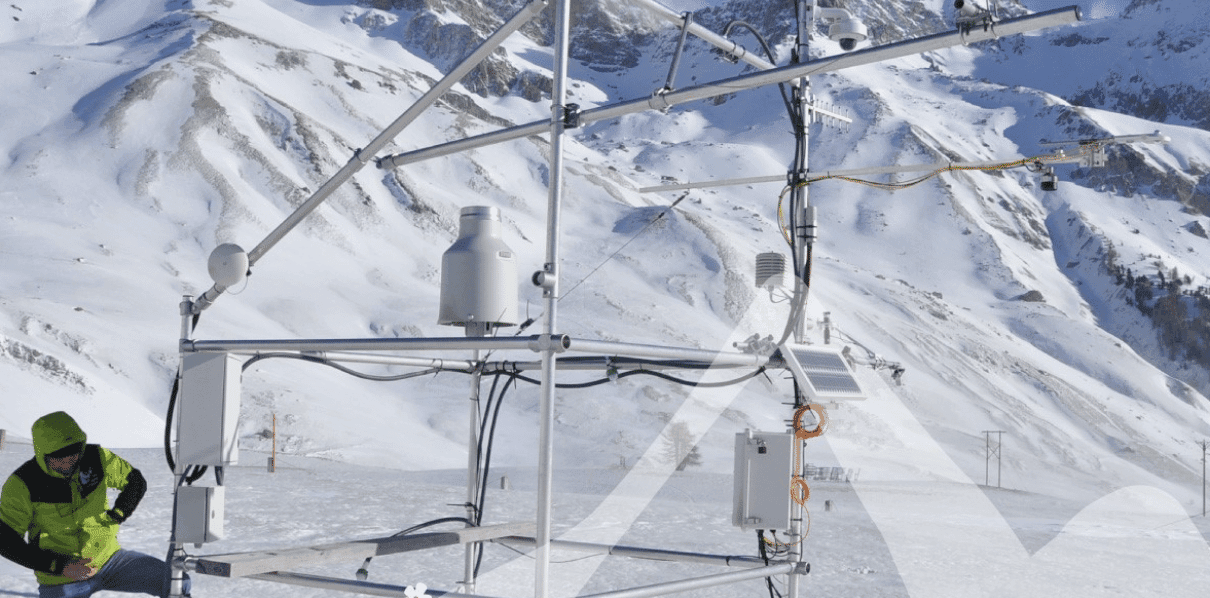
This facility is dedicated to alpine environmental research. It provides experimental zones, greenhouses, and climatic chambers to study how living organisms and ecosystems adapt to climate warming, severe droughts, and changes in the cryosphere/snow levels. It is spread across two sites, including an alpine station located at 2,100 meters.
Take Action Now
We encourage researchers and decision-makers to access the services and facilities in these countries to tackle ongoing environmental threats. Explore the full range of resources in the service catalogue at iriscc.eu/catalogue-of-services.
Proposals can be submitted via the Fast Track for urgent projects, or through our 4th Call for Access, open from 20 July 2026 to 15 October 2026.
Related content
IRISCC Demonstrators Progress Towards Second Service Release
The IRISCC demonstrators are advancing towards the second service release, planned for September 2026. This
June 03, 2026
Demonstrators
IRISCC Demonstrators are pilot projects that showcase the potential of combining data and expertise from

Services
IRISCC offers a comprehensive suite of services that integrate data, facilities, expertise, and advanced tools