Models storm surges and sea-level rise to safeguard coastal communities. Provides tools for insurance, finance, and infrastructure sectors to assess risk and guide investment decisions.
Challenge
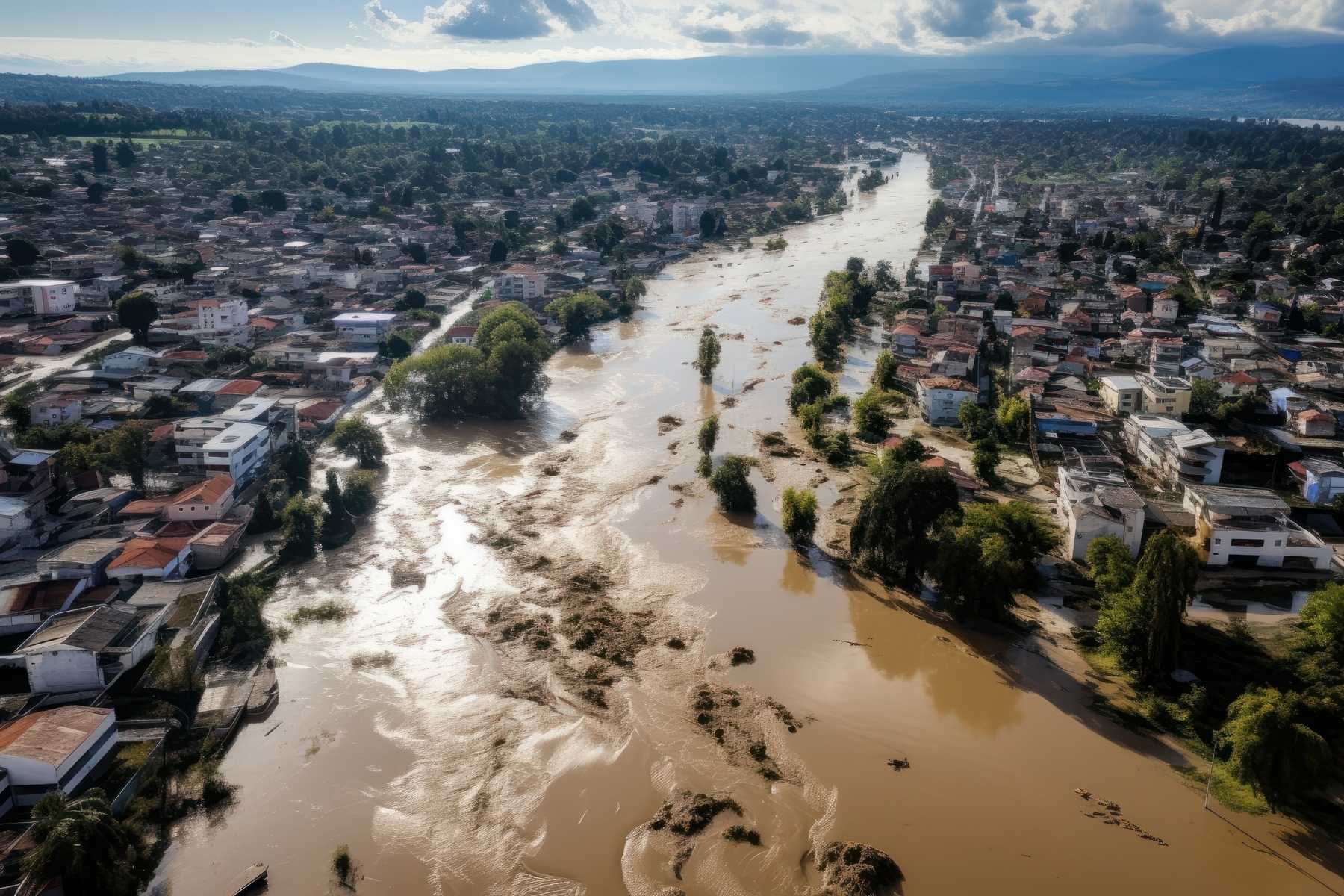
Coastal flooding is a threatening hazard that causes damages in tens of billions of dollars per year. Worldwide, the number of people and economic assets exposed to flooding in the low-lying coastal zone are increasing, while the frequency and intensity of this hazard are aggravated by climate change, causing sea level rise and changes in storminess.
Solution
Environmental in situ data, Earth Observation (EO) data (remote sensing) and derived information, and socio-economic data can advance capabilities for coastal flooding risk analyses. In IRISCC, a Jupyter notebook will be developed to facilitate the assessment of flooding in coastal areas due to storms in combination with long-term sea-level rise due to climate change.
Outcome
The service will allow the user to run and assess several scenarios of storm surges, sea level rise, and climate change for their impact on flooding, using the existing geometry and varying geometry and vegetation, etc.
Reproducibility
The Jupyter Notebook will provide a scalable and transferable solution that can be configured and operated by researchers. The service is flexible and can be used worldwide for different scenarios.