Post-mining regions face many environmental challenges, including the large amounts of waste left behind by coal mining. Stored in many waste dumps, this material can undergo a range of physical, chemical, and biological changes that continue to shape these sites long after mining has ended.
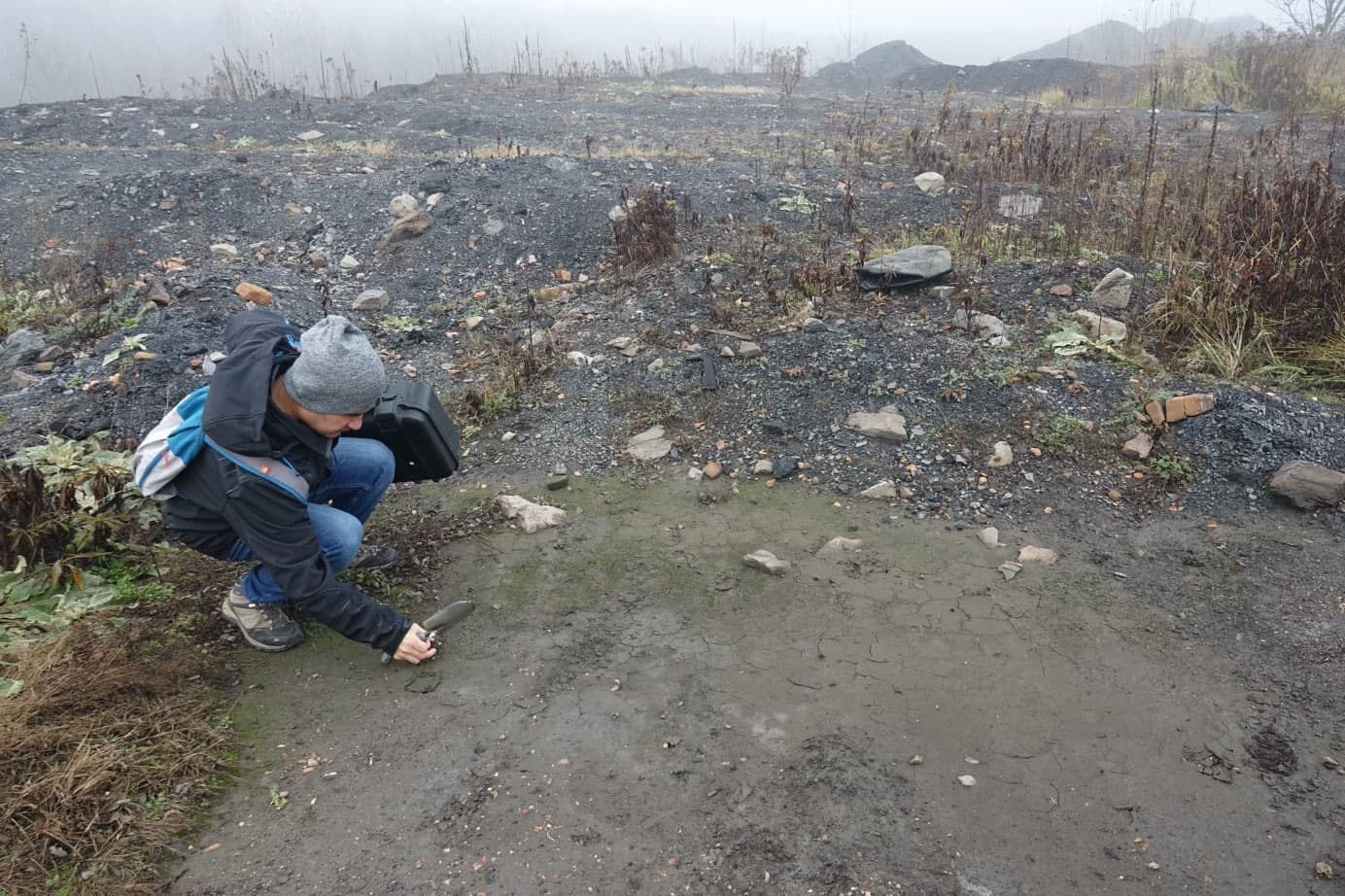
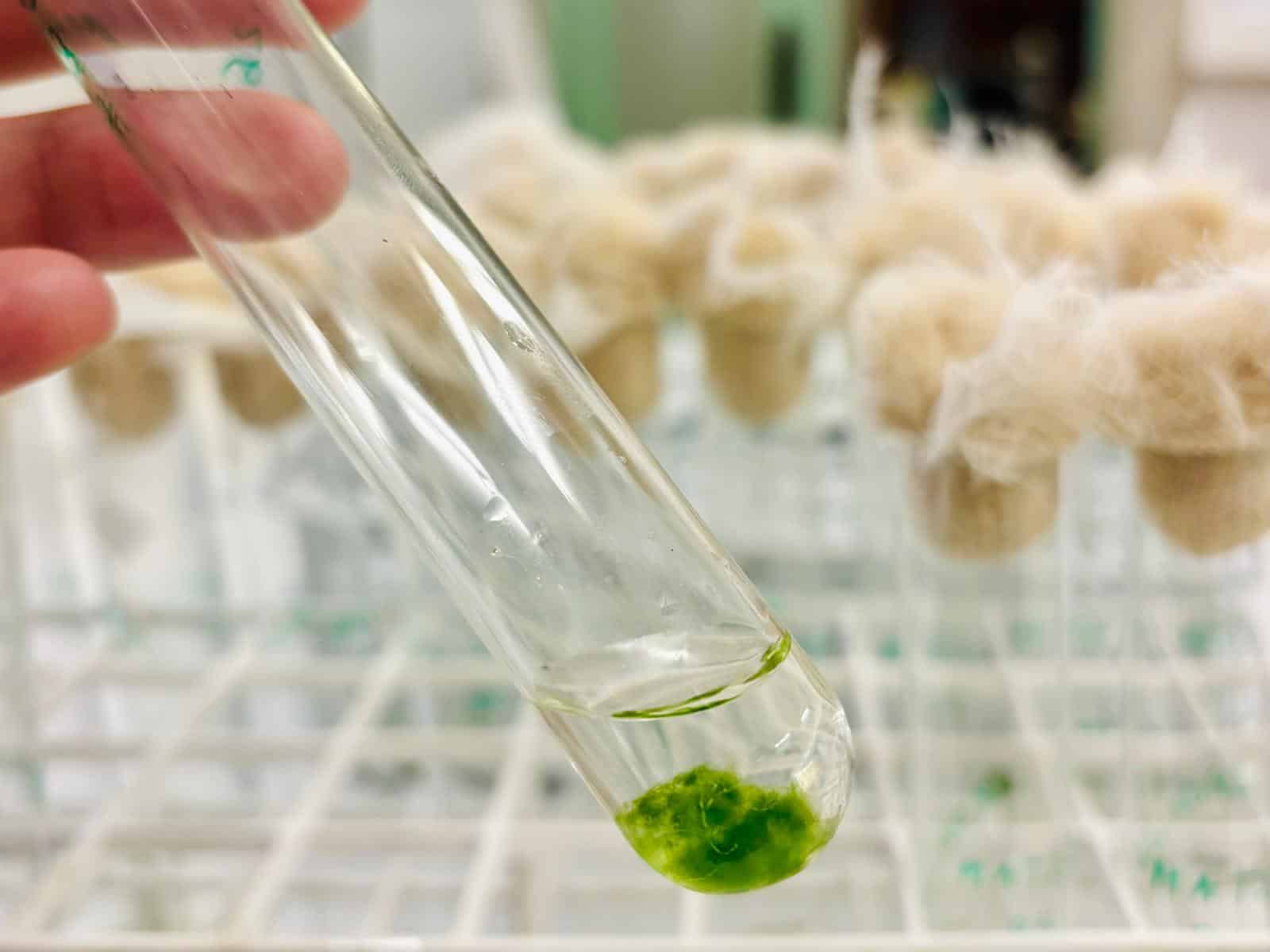
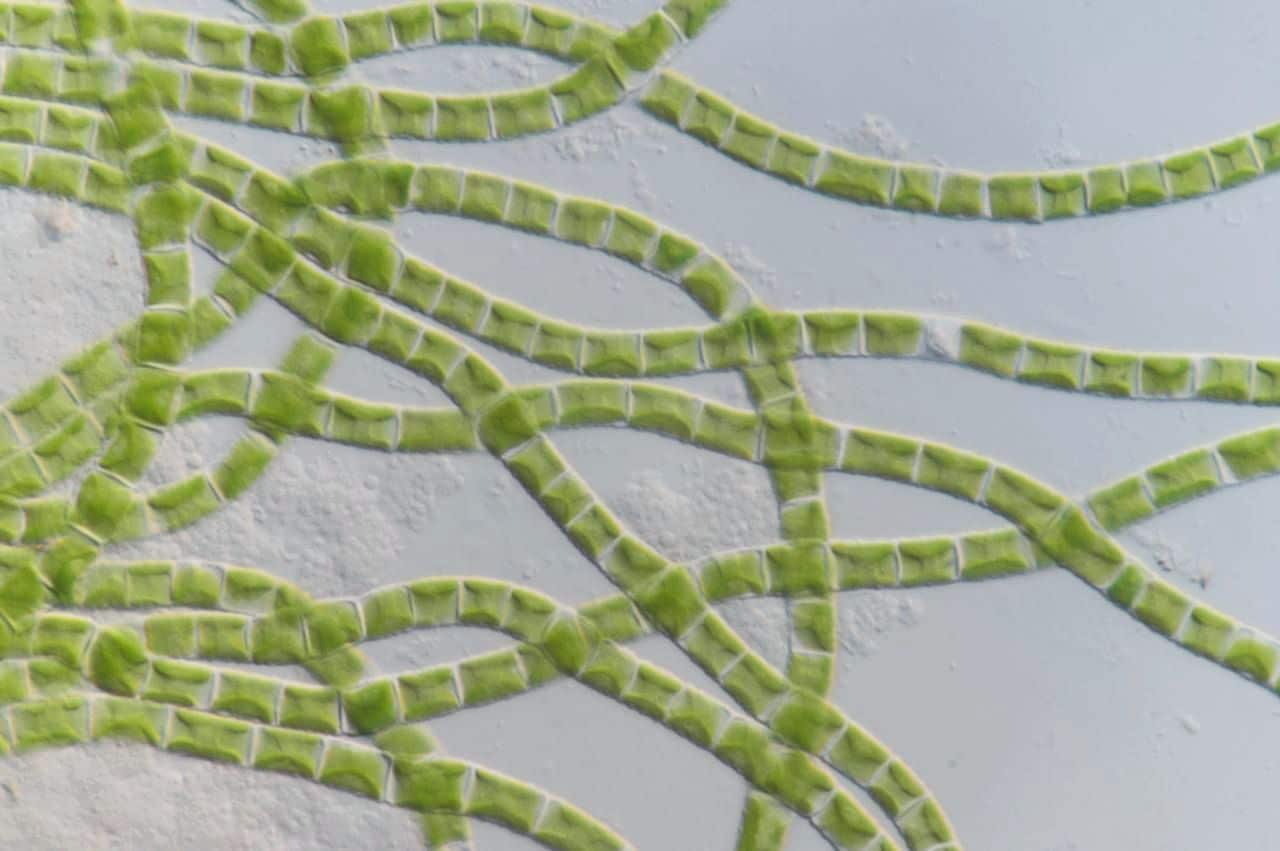
At the same time, these areas provide researchers with valuable outdoor laboratories for studying how the environment responds to changing conditions. The coal-waste dumps of the Upper Silesian Coal Basin in Poland provide one such example. Some of these dumps remain thermally active due to self-heating and spontaneous combustion, with subsurface temperatures that can reach very high levels and vary considerably across the site. Despite these difficult conditions, a variety of living organisms are able to colonise and survive in these harsh environments.
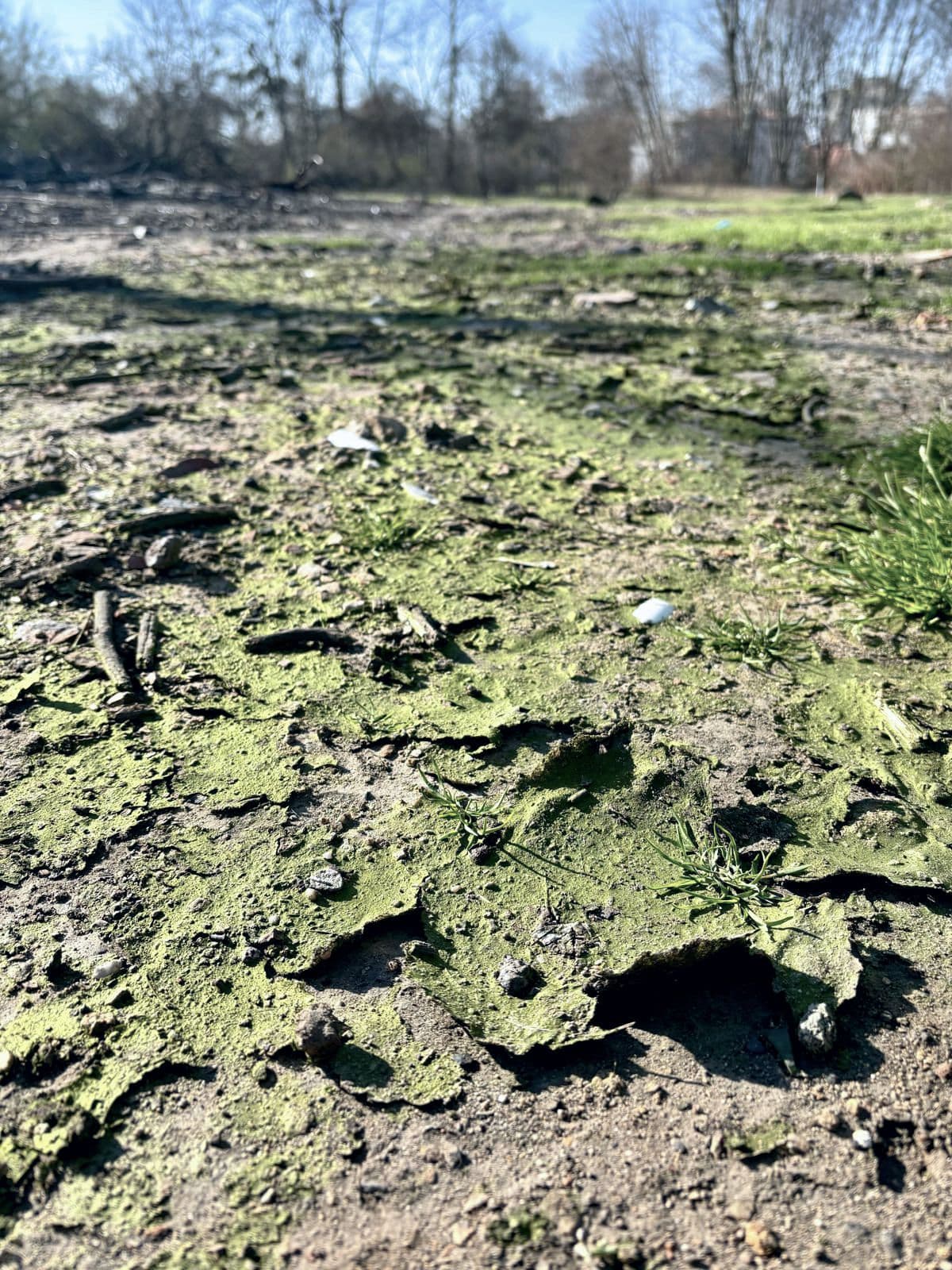
Photo: Algal crusts on one of the coal-waste dumps in the Upper Silesian Coal Basin.