
The IRISCC project recently hosted an onsite training workshop, “Stakeholder Engagement in Socioecological Risk Analysis,” at BOKU University in Vienna, Austria. The 2.5-day intensive course provided researchers with practical methodologies, tools, and collaborative frameworks to effectively analyze and address complex socioecological risks.
What Was the Training About?
The course focused on bridging social ecology foundations with transdisciplinary practices to support meaningful stakeholder engagement and co-produce context-sensitive solutions. Key modules included:
- Socioecological Foundations: Systems thinking, feedback loops, scale, resilience, and society-nature interactions.
- Transdisciplinary Methods: Stakeholder mapping, boundary scanning, research co-design, and participatory facilitation techniques.
- Risk Analysis Core: Hazard-exposure-vulnerability frameworks, scenario building, qualitative and quantitative assessment tools, and uncertainty management.
- Practical Application: Addressing power dynamics in decision-making, analyzing live case studies, and drafting tailored engagement and risk assessment plans.
Expanding Reach and Interdisciplinary Collaboration
The training brought together participants spanning research institutions and sustainability consultancies. Highlighting IRISCC’s commitment to fostering open-access research infrastructure, 44% of attendees came from organizations outside the IRISCC consortium, with 56% connected to the eLTER network.
Cohort Highlights
The training attracted a highly diverse group of researchers, reflecting strong interdisciplinary interest and broad regional engagement:
- Gender Balance: Strong female participation, with 67% female and 33% male attendees.
- Interdisciplinary Backgrounds: A diverse mix of expertise, led by Social Sciences (45%), combined Social & Natural Sciences (33%), and Natural Sciences (22%).
Key Systems and Environmental Risks Under Study
Participants applied training frameworks directly to active research projects, covering a wide range of systems and hazards:
Top Systems Under Study
Research projects brought to the workshop spanned several critical socioecological settings:
- Agroecosystems: 21%
- Rural Communities: 18%
- Grasslands / Shrublands: 14%
- Urban Areas: 14%
Primary Environmental Risks
Participants focused on addressing several key climate-related and environmental hazards:
- Drought: 23%
- Air / Water Pollution: 15%
- Climate Change: 15%
- Desertification: 12%
Conclusion
The training equipped researchers to directly embed stakeholder insights into their risk assessments. Addressing pressing challenges like drought, land degradation, and resource conflicts in vulnerable ecosystems, the course reinforced IRISCC’s commitment to driving practical, transdisciplinary solutions across Europe.
Read more
Insights from the IRISCC 3rd Transnational Access Call
The third Transnational Access (TA) Call under the IRISCC Access Programme has attracted a large
May 26, 2026
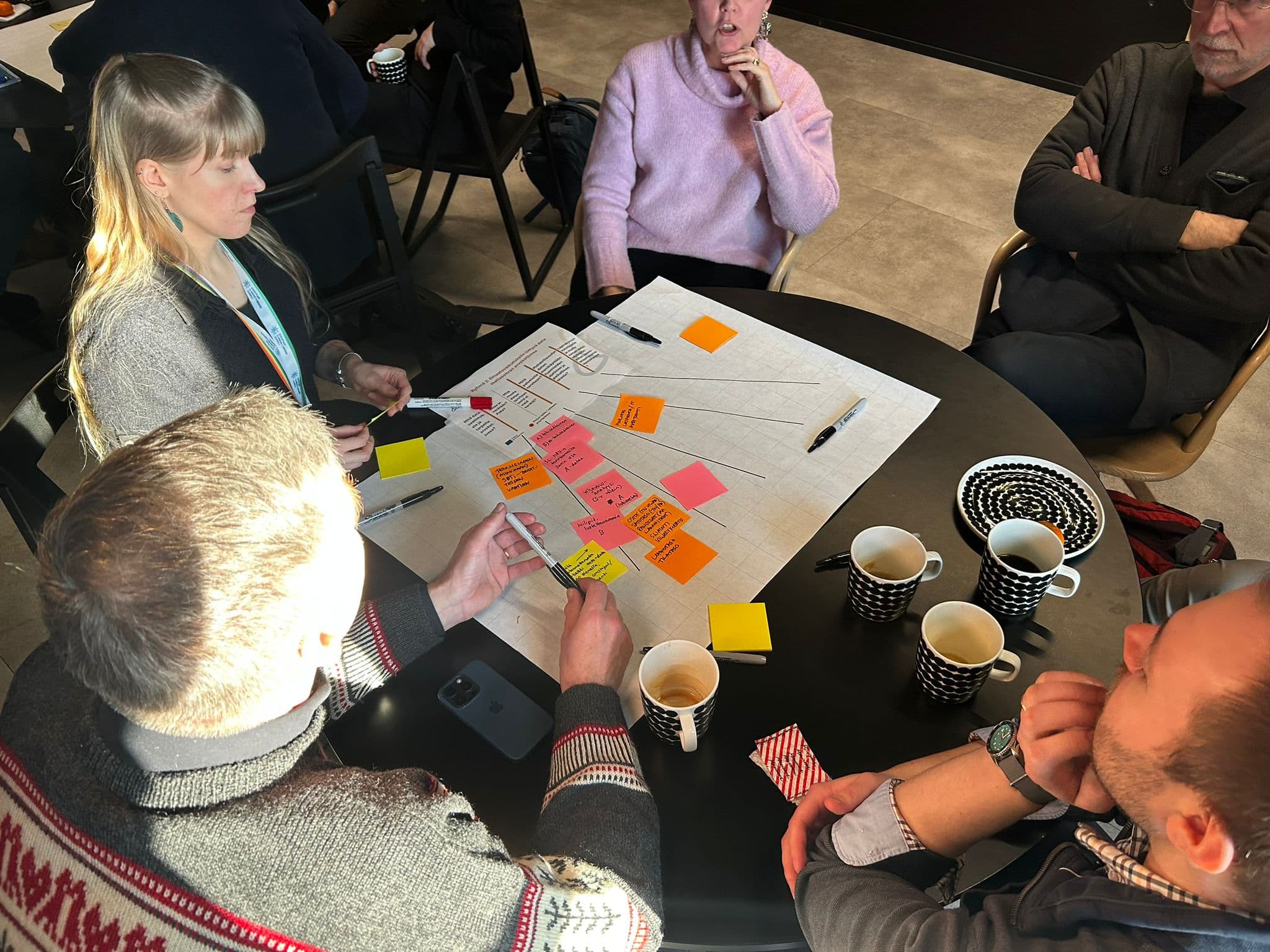
Bringing Stakeholders Together: Designing the Future of Carbon and Agricultural Data in Finland
We organised two stakeholder workshops in January 2026 in Finland to explore the future of carbon sequestration markets and
March 30, 2026
Cultivating Change: How Farmers Can Implement Innovative Carbon Farming Practices
Identifying the obstacles to implementing carbon farming practices and developing strategies to overcome them is
January 31, 2025