The second Transnational Access (TA) Call of IRISCC has attracted 55 eligible proposals including over 140 researchers. This is more than double the number received in the first call, showing growing interest from the global scientific community in leveraging European Research Infrastructure (RIs) services for climate change risk research. Building on the momentum of earlier call, the second call reinforces IRISCC’s role as a gateway for international collaboration on multidomain climate-risk topics.
Updated 15/12/2025
High Demand for IRISCC Services
Submissions to the Second Transnational Access Call
Diverse Users, Global Reach
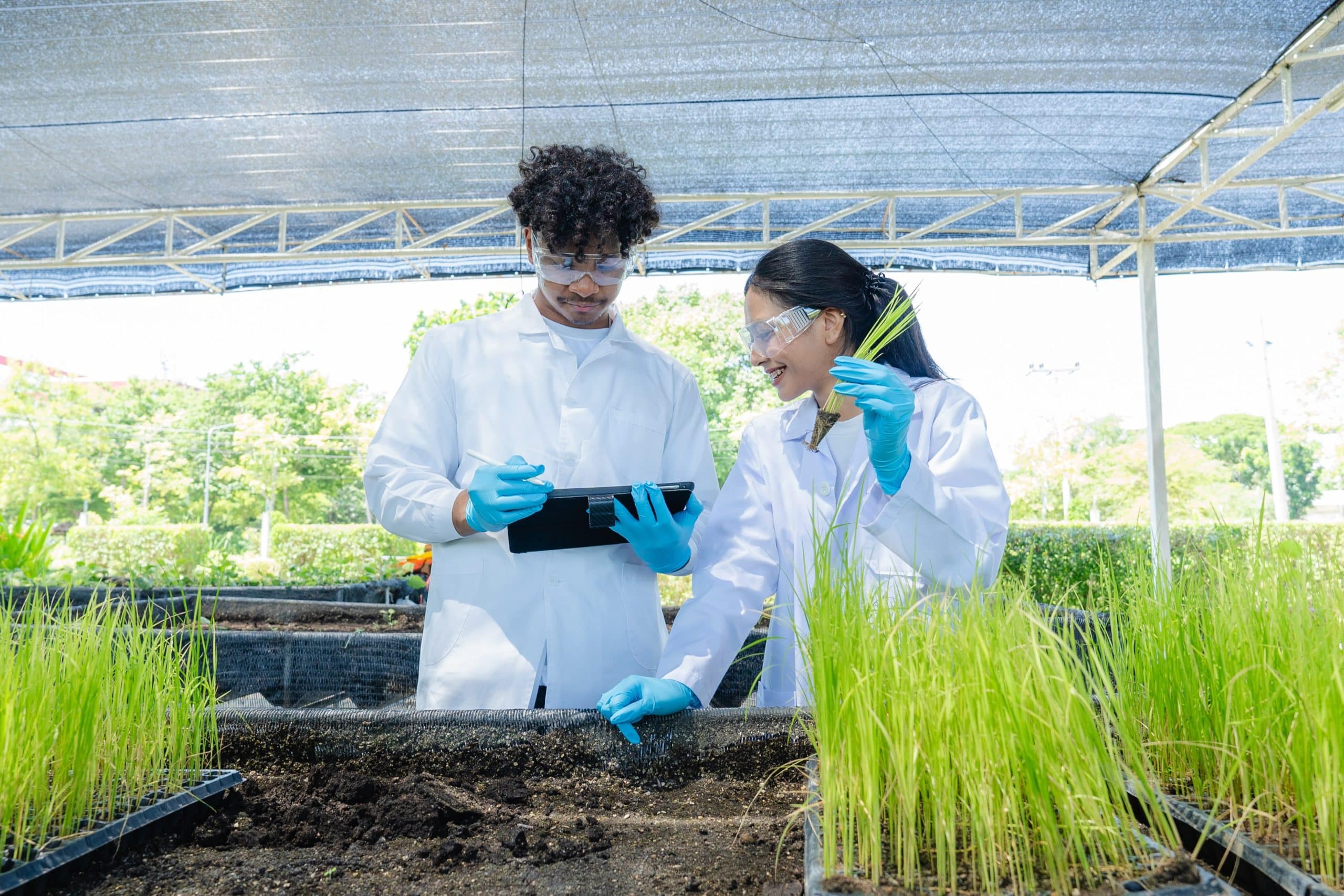
Applicants from more than 30 countries submitted proposals, representing universities, public research institutions, and SMEs alike. The lead applicants come from regions as varied as Europe, South America, Asia, Australia, and North America — demonstrating IRISCC’s wide geographic appeal and relevance.
Most requests were made by new users, highlighting IRISCC’s success in lowering access barriers and enabling fresh collaborations. This influx of first-time applicants underscores the need of RI’s shared access opportunities and impact of EU funded projects for broadening research participation beyond traditional offers.
Broad Scientific Scope
The range of scientific disciplines covered in the proposals is wide, including:
- Atmospheric science & aerosol remote sensing: e.g., projects using lidar and aerosol/cloud interaction observations.
- Marine biology, ecology & biogeochemistry: mesocosm experiments, studies on ocean alkalinity enhancement, seagrass and benthic ecosystems.
- Environmental chemistry & pollution monitoring: analysing persistent pollutants, microplastics, xenobiotics, and contaminants in air, soil, water, and biota.
- Ecology, microbial ecology & biodiversity: freshwater ecology, microbial community dynamics, biodiversity monitoring under environmental stress, insect‑plant interactions.
- Health domain: biomedical sciences
Climate‑Change Risk Determinants — Hazards, Exposure & Vulnerability
All IRISCC TA projects must address at least one of the key climate change risk determinants:
- Hazards (natural or human‑induced events): many of the projects focus on phenomena like aerosol transport, wildfire smoke photochemistry, pollutant release, or extreme environmental events.
- Exposure (presence of humans, ecosystems, or infrastructure in hazard‑prone zones): marine ecosystems, coastal areas, agricultural lands and urban regions are frequently in focus.
- Vulnerability (susceptibility and capacity to adapt): Researchers are examining how ecosystems and organisms respond to stressors — chemical, thermal, or climate‑driven — to assess resilience and adaptability.
Access Modes & Infrastructure Use
The TA call demonstrates flexible use of IRISCC facilities:
- Physical access: Many projects request hands-on access, ideal for field work, experimental mesocosms, or in-situ measurements.
- Hybrid access: A substantial number combine on-site and remote work — leveraging remote data analysis, modeling, or sensor networks.
- Remote-only access: A few projects opt entirely for remote utilization, suitable for data-driven studies or analytical services.
Peer Review & Access Timeline
All proposals submitted under the second IRISCC Transnational Access (TA) Call will undergo a feasibility check and after that rigorous peer review by external experts to ensure scientific quality, relevance, and feasibility. Projects that successfully pass evaluation will gain access to IRISCC services, with the possibility to start their work as early as February 2026.
Read More

TA
We offer the opportunity to access climate-risk research facilities through on-site, remote, and hybrid access.

VA
Explore Online Services from Europe’s Leading Climate-Risk Research Infrastructures. VA allows you to access, analyse,

Fast Track
The Fast-Track Call provides immediate access to IRISCC’s research infrastructures for projects that cannot wait

FAQ
Welcome to the IRISCC Frequently Asked Questions page! Here you’ll find clear answers about accessing

Newsletter
This newsletter is your key resource for staying up-to-date on the latest developments at IRISCC